In today's digital age, home security has evolved far beyond traditional locks and alarm systems. Smart home security technology offers homeowners an innovative way to protect their properties while providing convenience, peace of mind, and real-time monitoring from anywhere in the world. Whether you're at work, on vacation, or simply relaxing at home, smart security systems give you complete control over your home's safety. These systems integrate cutting-edge technology with user-friendly interfaces, making it easier than ever to keep your family and belongings secure. In this comprehensive guide, we'll explore everything you need to know about smart home security and how to implement these technologies in your home.
Smart home security systems are integrated networks of connected devices that communicate with each other and a central hub or smartphone app. Unlike traditional security systems that require professional monitoring and long-term contracts, many smart systems offer flexible options with DIY installation. The core components typically include smart door locks, security cameras, motion sensors, window and door sensors, and a control panel or hub. These devices use wireless technology, such as Wi-Fi or Bluetooth, to communicate and can be controlled remotely through a dedicated mobile application. Many systems also offer cloud storage for video footage, allowing you to access recordings anytime and from anywhere. The flexibility and scalability of smart home security means you can start with basic components and expand your system as your needs grow.
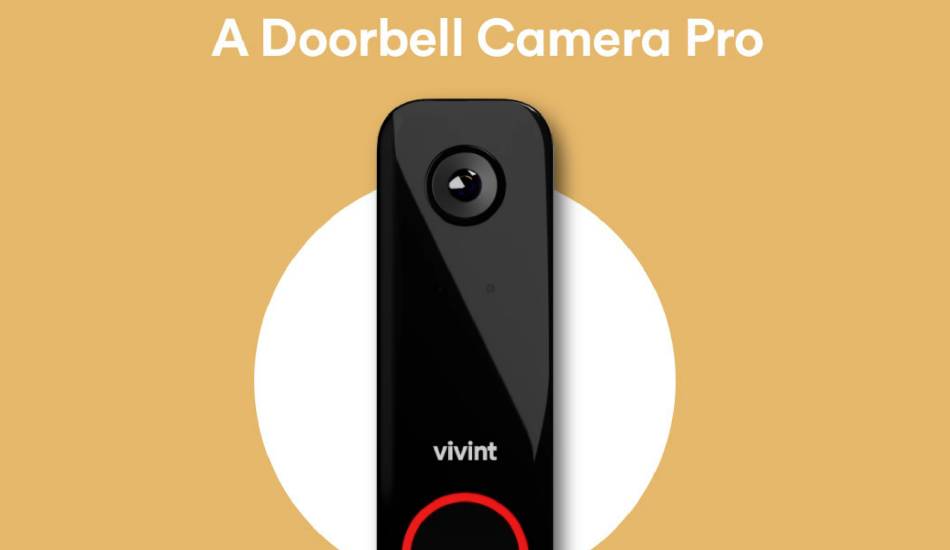
One of the most popular components of smart home security is the smart doorbell camera. These devices allow you to see who's at your door in real-time, even when you're not home. Smart doorbells typically feature high-definition video, night vision, two-way audio, and motion detection capabilities. They send instant notifications to your phone when someone approaches your door, allowing you to communicate with visitors or deter potential intruders. Many models also record video footage continuously or on motion detection, providing valuable evidence if a crime occurs. Additionally, smart doorbells can integrate with other smart home devices, such as smart locks, allowing you to unlock your door remotely for trusted visitors or delivery personnel.
Smart locks represent another crucial element of modern home security. These devices eliminate the need for traditional keys and allow you to lock or unlock your doors remotely using your smartphone. Smart locks offer multiple access methods, including keypad codes, biometric fingerprint recognition, and temporary digital keys that you can share with family members or guests. Many models feature automatic locking capabilities, ensuring your door is always secure even if you forget to lock it manually. Smart locks also provide detailed access logs, showing exactly when and who entered your home. In case of emergencies, you can grant access to first responders or trusted individuals instantly, without needing to be physically present.
Security cameras form the backbone of any comprehensive smart home security system. Modern smart cameras offer crystal-clear video quality, often in 4K resolution, with advanced features like night vision and infrared technology. Many cameras include intelligent motion detection that can distinguish between people, animals, and vehicles, reducing false alarms. Cloud storage options allow you to save and review footage remotely, while local storage options provide added privacy and don't rely on internet connectivity. Pan-and-tilt cameras give you a wider field of view and the ability to monitor different areas of your property. Whether you choose indoor or outdoor cameras, wired or wireless systems, smart cameras provide continuous surveillance and peace of mind knowing your home is being monitored 24/7.
Window and door sensors are essential components that detect unauthorized entry attempts. These small, wireless sensors consist of two parts: one attached to the window or door frame and another on the opening door or window. When separated, they trigger an alert on your smartphone and can automatically activate other security measures, such as turning on lights or sounding an alarm. Motion sensors work similarly, detecting movement in specific areas of your home and sending notifications to your phone. When combined with smart locks and cameras, these sensors create a comprehensive security network that monitors all potential entry points. Many homeowners place these sensors on ground-floor windows, sliding glass doors, and garage doors to maximize protection.
Integration and automation are what truly set smart home security systems apart from traditional options. Many systems allow you to create custom automation routines that trigger multiple actions simultaneously. For example, you can program your system to arm automatically when everyone leaves home, turning off lights, locking doors, and activating cameras. Conversely, when you arrive home, the system can disarm, unlock the front door, and turn on interior lights. Some advanced systems even integrate with other smart home devices, such as smart lighting, thermostats, and speaker systems. Voice control integration with Alexa or Google Assistant allows you to control your security system hands-free. Professional monitoring services add an extra layer of protection to your smart home security system. While many DIY systems rely on homeowner notifications, professional monitoring services employ trained operators who can respond to alerts 24/7.
When an alarm is triggered, the monitoring center verifies the alert and can contact emergency services immediately if necessary. This rapid response can be crucial in preventing crime or minimizing damage. Many smart home security providers offer flexible monitoring options, from basic plans that notify you via app to comprehensive plans with professional monitoring included. Some services also offer video verification, where operators can watch live camera feeds to confirm whether an emergency response is needed, reducing false alarms and unnecessary emergency calls. Choosing and implementing a smart home security system requires careful consideration of your specific needs, budget, and home layout. Start by assessing your property's vulnerabilities, such as exposed entry points and dark areas that could hide potential intruders. Evaluate different systems based on features, ease of installation, customer reviews, and long-term costs, including monitoring fees if applicable.